

When a loan is described as fixed or variable, the wording is about how the interest rate works. It is not the same question as whether the borrowing is secured, how long it lasts or what the money is for. Keeping those features separate can make an offer easier to understand. This guide explains the difference in everyday language and suggests questions to ask. It does not predict interest rates or recommend a product. The important thing is understanding what can change in the agreement and what that would mean for the payments you plan around.
Start with the rate described in the agreement
Read whether the rate is fixed or variable and the period for which that description applies. Do not infer it from the product name or assume every personal loan has identical terms. Keep the offer and the relevant wording together so you can ask a precise question if needed. A useful record might say which rate applies, how it is described and where the explanation appears. That is more helpful than remembering a percentage without knowing whether or how it could change during the commitment.
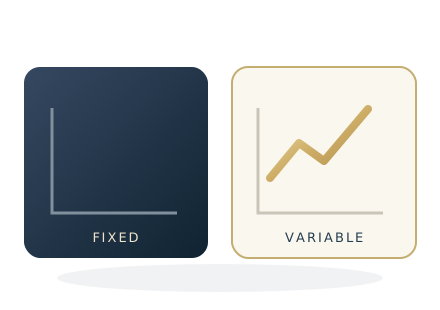
What a fixed rate tells you
A fixed interest rate stays the same for the period specified by the agreement. That can help explain the schedule you are reviewing, but it does not remove every other condition or cost. You still need to read charges, payment dates and what happens if a payment is missed. Check the precise terms instead of treating the word fixed as a promise that nothing about the account will ever need attention. The aim is to know which part of the agreement is stable and which other obligations remain relevant.
What a variable rate tells you
A variable interest rate can change according to the terms. Ask how a change is determined, what information the provider gives and how it can affect payments or the amount repayable. The specific agreement matters; not every product follows the same mechanism. Avoid trying to decide from a prediction about what rates might do next. A more practical starting point is whether you understand the permitted changes and the effect they could have on the commitment you are considering. If the explanation is unclear, ask for an example using the actual offer.
Separate the rate from the overall cost
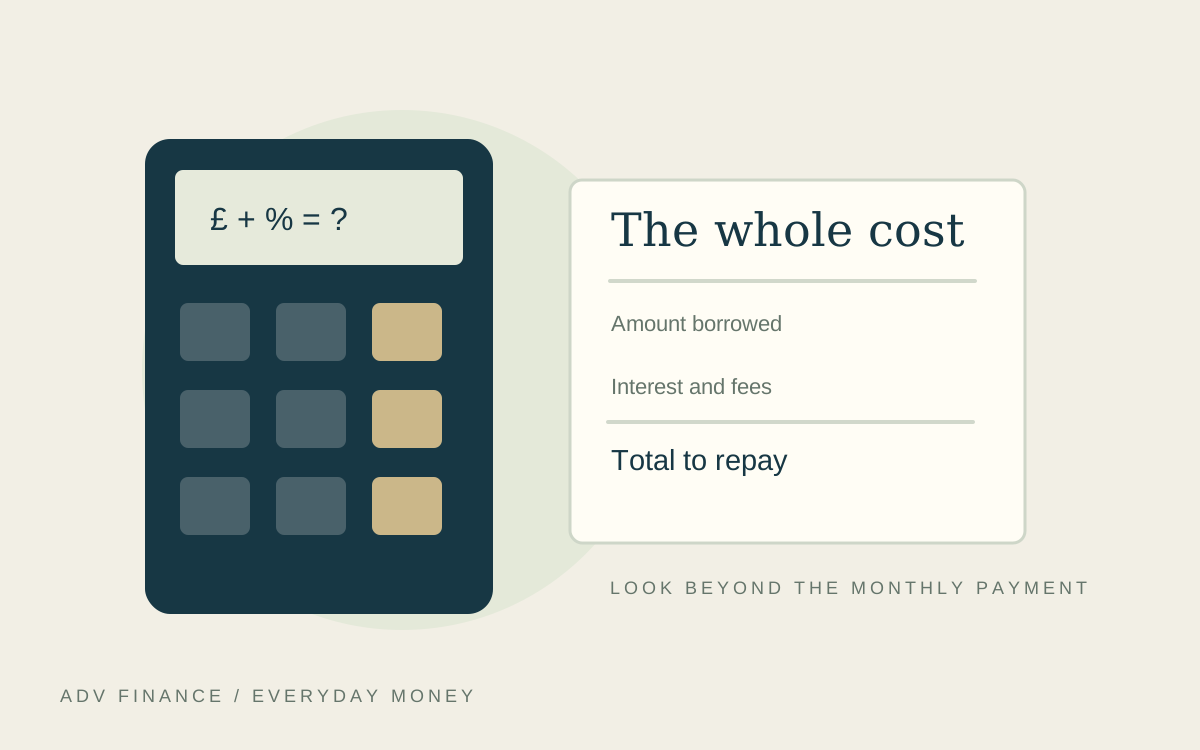
The interest rate is one part of the comparison. Keep the amount borrowed, term, fees, repayment schedule and total repayable beside it. A product with a different rate may also have a different period or cost structure, so comparing percentages alone can miss something important. Ask which figures are illustrations and which describe your actual offer. If the rate is variable, check what assumptions any displayed total uses. You do not need to make your own forecast; you need to understand the information and uncertainty in front of you.
Give payment changes a place in the budget
Write down income, essential costs and current commitments. Consider how a change in the required repayment would fit alongside them, rather than looking only at the first month. You can ask the provider to explain a hypothetical change without treating that example as a prediction. The useful question is what room the budget has and which assumptions you are making. If a payment already looks difficult before any change, say so. An agreement should not be understood only through the most comfortable version of the figures.
Do not confuse rate type with security
Fixed or variable describes interest. Secured or unsecured describes whether a particular asset is used as security. A conversation about one does not answer the other. Include both questions when comparing an offer, along with the term and purpose. This can prevent a common misunderstanding in which a familiar label seems to explain the entire loan. Our separate secured-versus-unsecured guide looks at asset risk. ADV Finance is a credit broker introducing customers for unsecured agreements; the wider explanations here are for understanding terms, not a recommendation to use a different borrowing category.
Keep the questions concrete
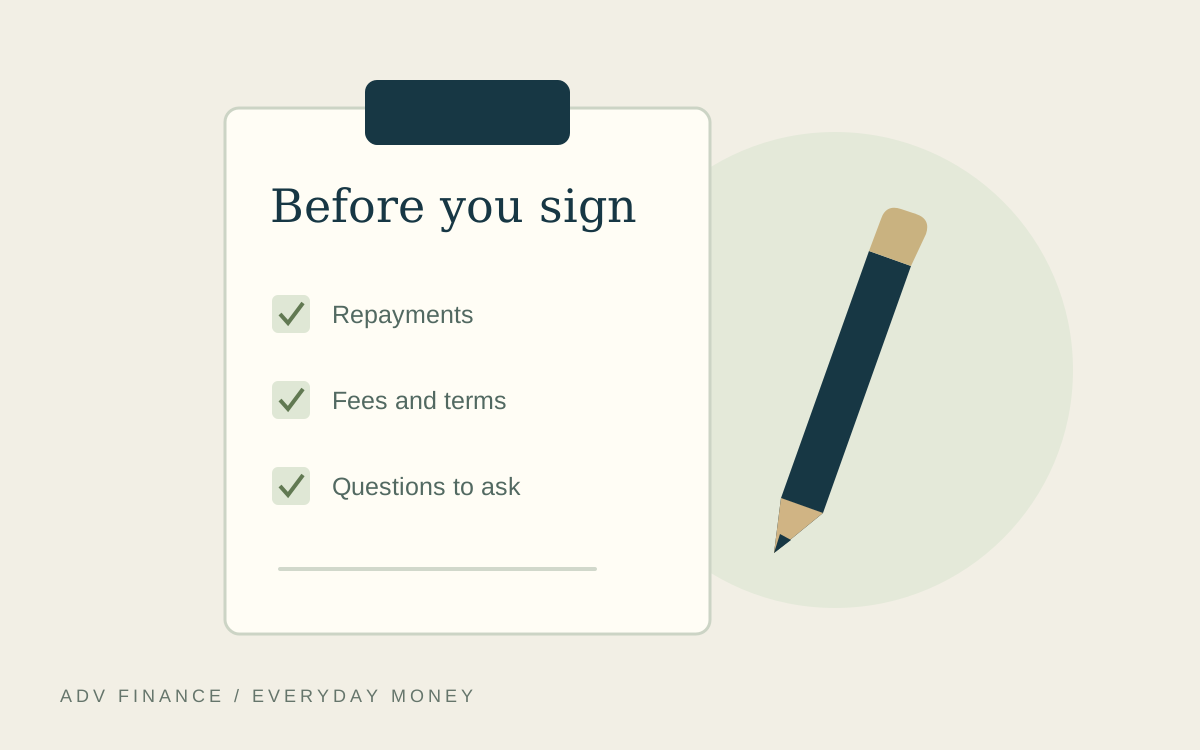
Before agreeing, ask which rate applies, how long any fixed period lasts, what may change and where the conditions are written. Then ask about charges and payment difficulties. Save the responses with the agreement so you can return to them if a statement looks unfamiliar later. If two explanations seem inconsistent, point to the exact wording. You are not being difficult by asking for clarity. A practical answer should help you describe the commitment in your own words, without needing to rely on a headline or a promise about the future.
Read more without rushing into an application
NatWest explains personal-loan rates and rate types, while StepChange discusses interest and charges. These are background sources rather than product recommendations; always check the actual agreement. If existing bills or repayments are difficult, the support links below offer routes to independent help. Comparing fixed and variable terms should be one part of understanding a decision, not pressure to make a rate prediction. It is reasonable to pause until you know what can change and what that means for your circumstances.
Sources reviewed on 13 November 2026. These are general explanations for UK readers, not personal financial, legal or debt advice.