

A balance transfer can sound like a fresh start. You move an existing credit card balance to another card, potentially under different interest terms. The important point is that the debt still exists. Understanding balance transfers means looking at the fee, the length of any introductory rate, the rate afterwards and a repayment plan that fits real life. Our six slides give you the essentials. This written guide takes you through the questions behind them, without recommending a particular card or assuming that you will be accepted for an offer.
Start with the balance you actually have
Gather the latest statement for the card you are considering transferring from. Note the amount owed, the payment due date and any questions about transactions or charges. If you are looking at more than one balance, keep each one separate in your notes. An application screen can make the process feel quick, but the starting figures still deserve attention. Use current information rather than a balance remembered from an earlier month. If you are already struggling with payments, speak to the provider and consider free debt advice before making another application.
Understand what changes and what stays the same
A balance transfer moves existing card debt to another credit card. It does not itself pay down the amount you owe. The new card's terms determine the applicable charges and interest, while minimum payments remain relevant. Keep a simple distinction in mind: changing where a balance sits is different from repaying it. This makes it easier to assess the offer as one possible tool within a plan, rather than as a complete solution to a budget shortfall. You still need to understand the continuing commitment and how it would be managed.
Put the transfer fee into the calculation
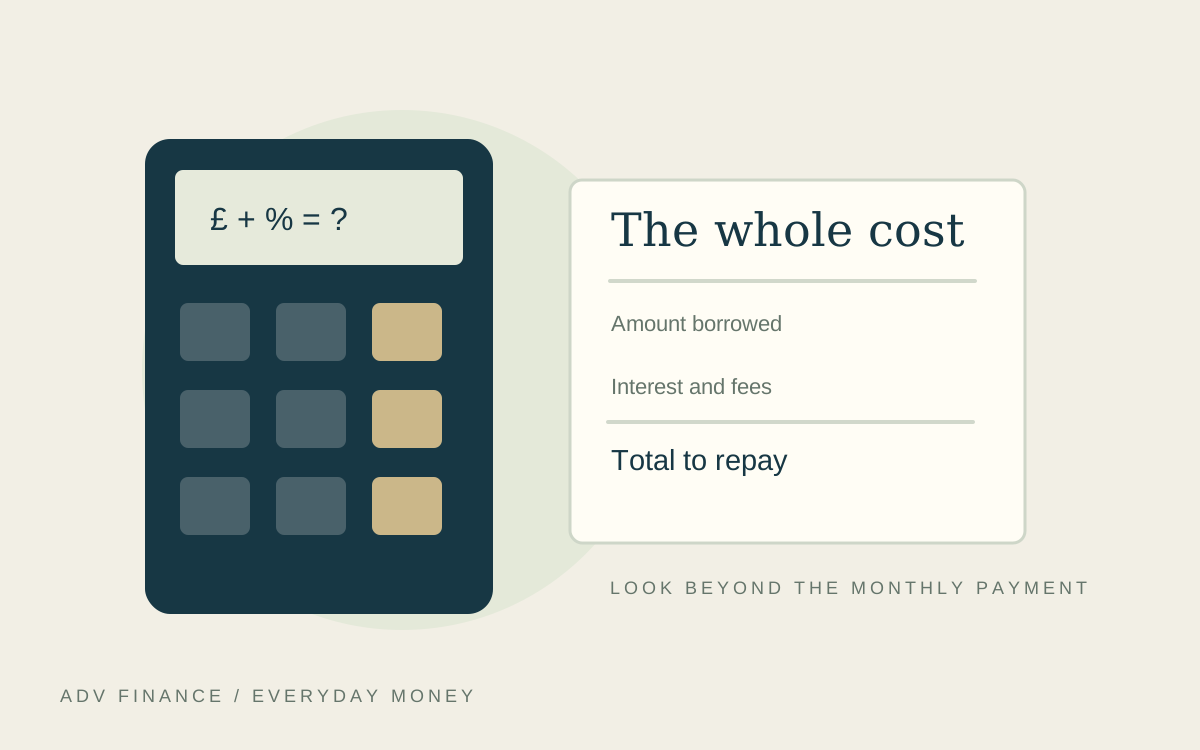
Some offers include a fee for moving the balance. Check the actual amount or percentage and how the fee is charged. For a hypothetical illustration, three per cent of a £1,000 transfer is £30. If that fee were added to the balance, the amount would become £1,030 before any interest or other charges. These figures are an example, not a current offer. The practical task is to use your actual terms and see whether the full cost makes sense, rather than focusing only on an introductory interest headline.
Record the end of the introductory period
If an offer has an introductory rate, write down when it ends and the rate that applies afterwards. Keep the date alongside your repayment notes. Do not assume you will qualify for another transfer when the period finishes. Instead, consider what the plan looks like if a balance remains on the card. This is a question to explore before agreeing, not a reason to guess at future offers. Read the provider's explanation carefully and ask for clarification if different dates appear in the offer, the application information or the agreement.
Keep required payments going during the transfer
Do not assume that requesting a transfer instantly completes it. Continue making required payments on the existing card until the transfer is confirmed, following the providers' instructions. Check the confirmation and statements so you know where the balance now sits and which payments are due. Keep a record of any contact if something looks different from your expectation. The new card's payment terms also need attention. A calendar reminder can be useful, but the first step is knowing the correct amounts, dates and account details rather than relying on the transfer request alone.
Be careful about new spending
Purchases made on a balance transfer card can have different rates and conditions from the transferred balance. Find the relevant wording before using the card for additional spending. If your aim is to understand and manage existing debt, another purchase can make the picture harder to follow. Separate the question of moving a balance from the question of taking on new spending. A lower initial rate on one part of an account does not tell you everything about the cost of another transaction. Check the particular product terms instead of assuming they are all the same.
Build a plan around a real budget
Write down income, essential spending and other commitments. Then consider the repayments you are thinking about, including any fee added to the balance. Use a plan you can explain rather than one that depends on a future event you cannot rely on. For example, an expected bonus is not the same as money already available. If the figures feel uncomfortable, pause and ask for help. Acceptance, a credit limit or an attractive headline does not remove the need to look at how the commitment sits alongside the rest of your circumstances.
Compare information without rushing a decision
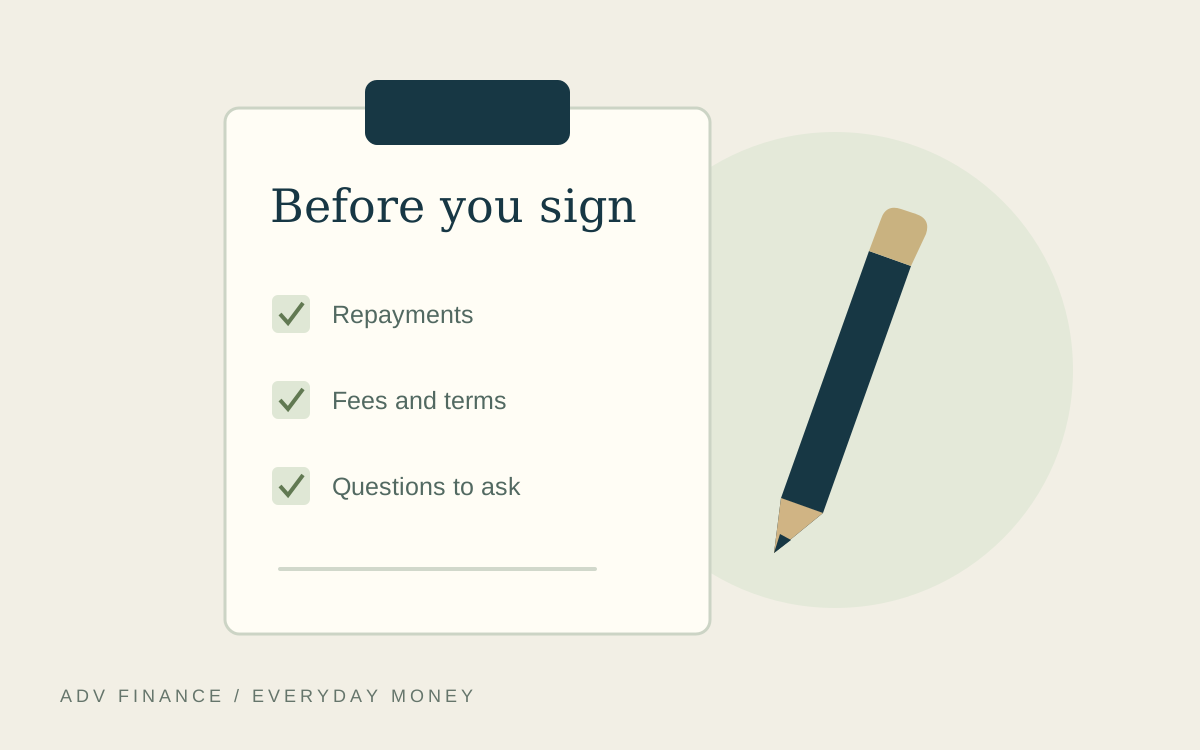
For each offer, keep the transfer fee, introductory period, subsequent rate and payment terms on one page. Note anything you still need explained. Eligibility and the credit limit are not guaranteed, and terms vary by provider. MoneyHelper explains the main balance transfer considerations. Nationwide's transfer guidance illustrates why checking instructions and continuing payments matters. Read sources as background; the actual offer and agreement remain the documents to review. If repayments are difficult, the support section below offers a different starting point from another credit application.